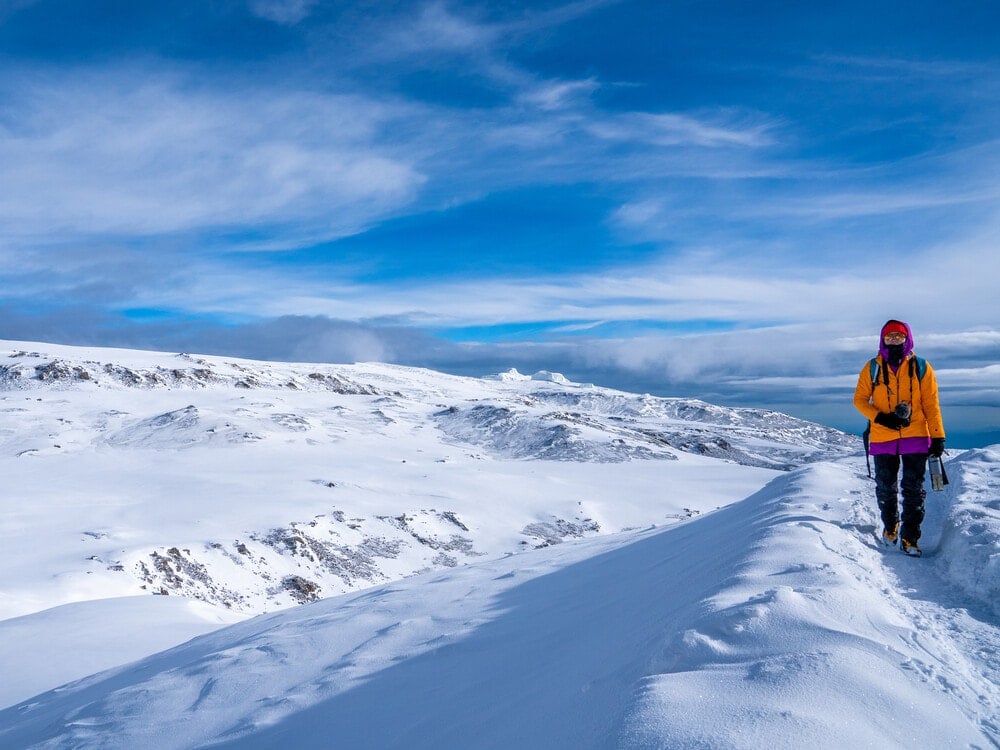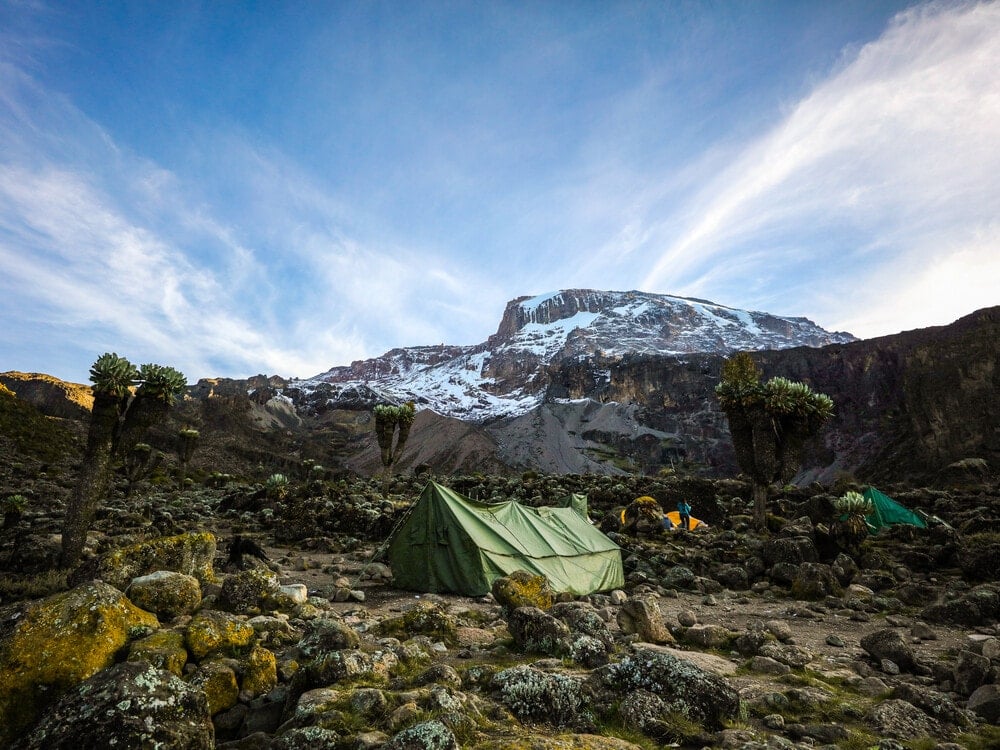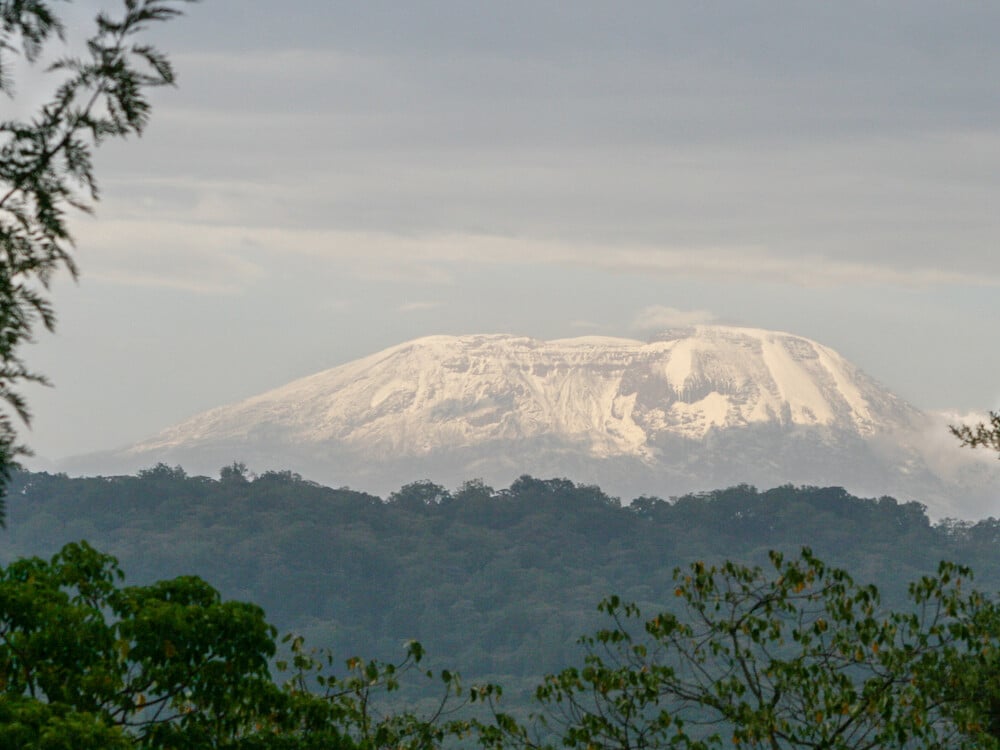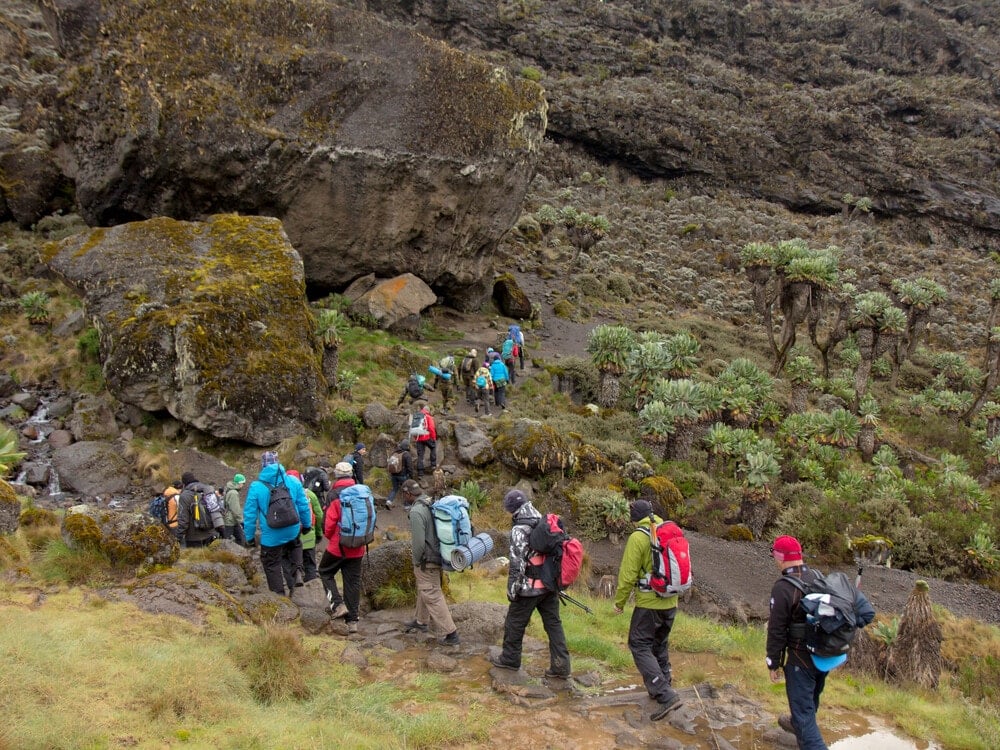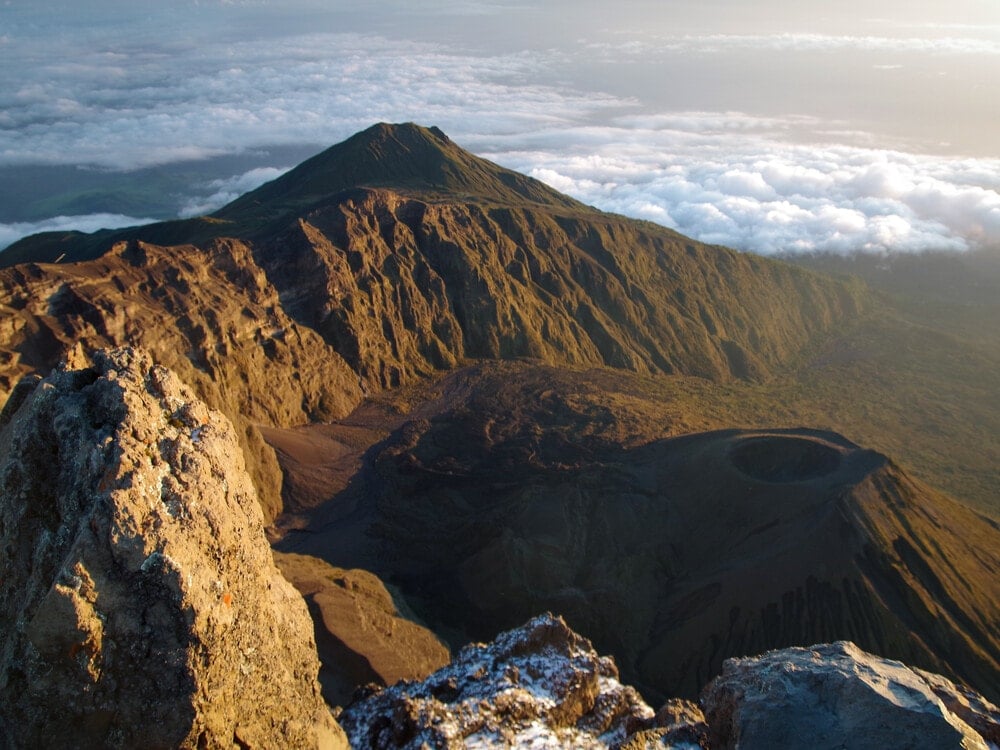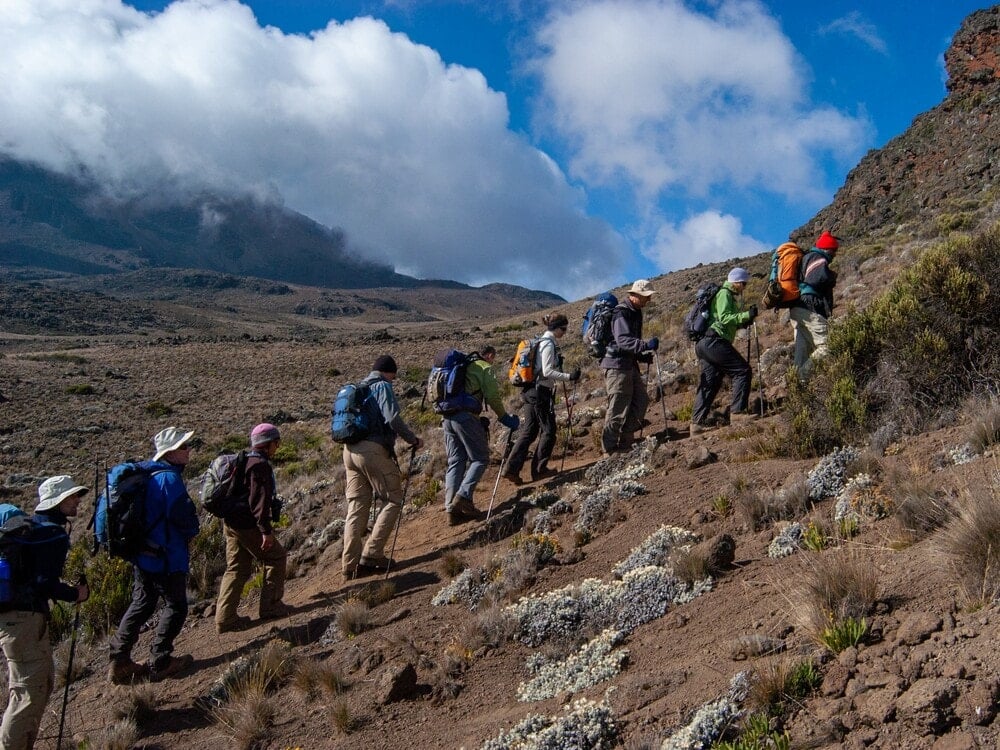
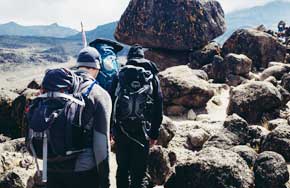
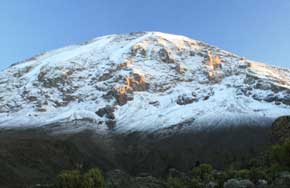
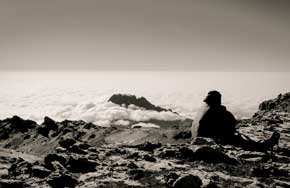
Choosing the right time to climb is crucial for a successful and enjoyable experience on Mount Kilimanjaro and Mount Meru. Generally, the dry seasons offer the most favorable conditions.
Avoid the long rains from April to early June, and the short rains in late November and variable conditions in December, as visibility lessens and trails can be more challenging.
Altitude sickness, also known as Acute Mountain Sickness (AMS), is a common concern when ascending to high altitudes. It occurs when your body doesn't adapt quickly enough to the reduced oxygen levels. While it can affect anyone, proper acclimatization is key to minimizing its risk.
Symptoms: Common symptoms include headaches, nausea, dizziness, fatigue, and loss of appetite. It's crucial to report any symptoms to your guide immediately.
Prevention:
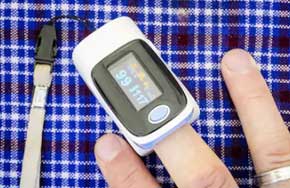
Our Guides: Our experienced guides are highly trained in recognizing and managing altitude sickness. They conduct daily health checks, including pulse oximeter readings (to measure blood oxygen levels) and blood pressure checks. They carry extensive first-aid kits, emergency oxygen, and are skilled in Wilderness First Response. If symptoms worsen, the most effective treatment is immediate descent.
Visa: Most nationalities require a visa to enter Tanzania. It's highly recommended to obtain your visa in advance through the official Tanzania eVisa website (visa.immigration.go.tz). While visas on arrival are available at major entry points like Kilimanjaro International Airport (JRO), applying online beforehand can prevent delays.
Insurance: Comprehensive travel insurance is mandatory for all our climbing and trekking expeditions in Tanzania. Your policy must specifically cover:
We strongly advise reviewing the fine print of your policy to understand its coverage and any exclusions. Some reputable providers offer specialized adventure travel insurance. You should purchase your insurance before departing your home country.
Packing the right gear is essential for a comfortable and enjoyable safari experience in Tanzania.
Don’t stress too much on what to pack. Just keep it simple and pack lightly. The luggage you can bring on safari vehicles or smaller planes is limited, and a lot of lodges and camps offer laundry services, so there is no need to bring different clothes for each day of your trip. On most Tanzanian safaris it’s going to be sunny, so pack lightweight clothes and a good sun protection. This is our advice to what you need for a safari in Tanzania.
Your health and safety are our top priorities. We adhere to strict safety protocols and employ highly trained guides to ensure the best possible experience.
Experienced Guides: Our guides are certified Wilderness First Responders (WFR) and receive ongoing training in high-altitude medicine, emergency first aid, and mountain rescue.
Daily Health Monitoring: Guides conduct regular health checks, including pulse oximeter readings and symptom assessments, to monitor your acclimatization.
Responsible Climbing Practices: We enforce "Pole, Pole" to promote gradual acclimatization, encourage proper hydration and nutrition, and empower climbers to communicate any concerns to their guides.
Pre-Climb Preparation: We recommend a good level of physical fitness and prior training that includes regular hiking with a weighted backpack. Consult your doctor for a health check and discuss any pre-existing conditions or medications.
Wildlife Safety (especially for Meru): On Mount Meru's lower slopes, you will be accompanied by an armed ranger due to the presence of wildlife such as elephants and buffalo.
Before your adventure begins, ensure you have all necessary documents and gear. This checklist will help you prepare:
Documents:
Personal Medical & First Aid:
Gear & Clothing (as detailed in "Climbing Gear" section):
While we implement comprehensive safety measures, unforeseen circumstances can arise. In case of an emergency, prompt and efficient rescue services are vital.
Our primary goal is to ensure your safe descent, as rapid descent is the most effective treatment for serious altitude sickness.
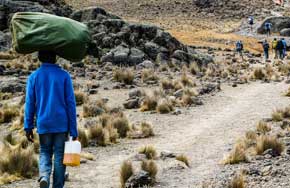
Porters are the backbone of any Kilimanjaro or Meru expedition, making it possible for climbers to focus on the trek without carrying heavy loads. They are an integral part of your mountain crew, along with guides and cooks.
Support & Logistics: Porters carry all communal gear (tents, cooking equipment, food, water) and your main duffel bag (which has a weight limit, typically 15-20 kg).
Fair Treatment: We are committed to the ethical treatment of our porters and are proud to be a partner company of the Kilimanjaro Porters Assistance Project (KPAP). This ensures that our porters receive:
Tipping: While not compulsory, tipping your mountain crew is a customary and meaningful way to show your appreciation for their hard work and dedication. We provide clear tipping guidelines at the end of your trek.